

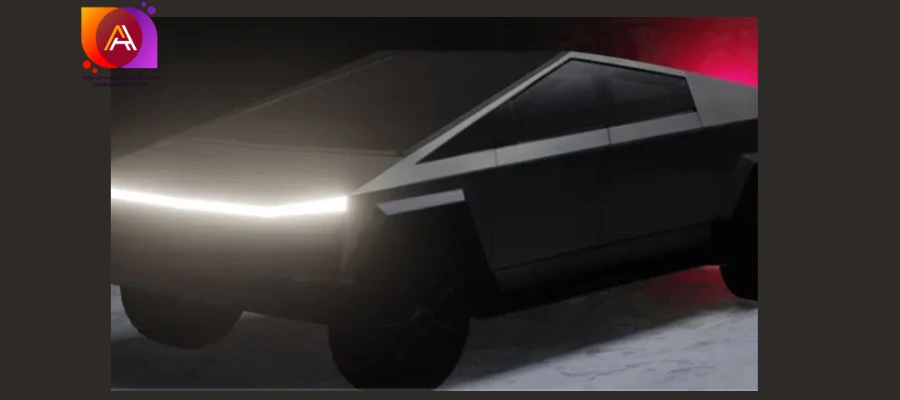
How Giorgetto Giugiaro Shaped the Tesla Cybertruck
Tesla Cybertruck, which debuted in 2019, quickly became one of the most talked-about vehicles in recent automotive history. With its stainless-steel body, angular shape, and razor-sharp edges, the Cybertruck marked a radical departure from the standard pickup truck. Interestingly, many may not realize that the design principles behind the Cybertruck bear an uncanny resemblance to those of Giorgetto Giugiaro—widely regarded as one of the most fabulous car designers of all time.
Giugiaro, known for his minimalist and geometric style, consistently favored the wedge shape—a slanted, angular design that conveys speed, precision, and modernity. In this article, we delve into how Giugiaro’s wedge design philosophy influenced the Cybertruck and what this suggests for the future of automotive design.
The Legacy of Giorgetto Giugiaro
To begin with, Giorgetto Giugiaro is a legendary Italian designer whose work has profoundly shaped the automotive world over many decades. He contributed to the design of numerous iconic cars for brands such as Fiat, Lamborghini, and BMW. Among his most notable creations are the Maserati Boomerang, the DeLorean DMC-12, and the Lotus Esprit.
What sets Giugiaro’s work apart is his masterful blend of form and function. Rather than designing cars for aesthetics alone, he used bold geometric forms to craft vehicles that were both visually striking and aerodynamically efficient. Notably, Giugiaro’s trademark wedge shape became synonymous with high performance and futuristic style.
Indeed, this angular, forward-leaning silhouette not only looked fast but actually improved the aerodynamics of the vehicles. Compared to the softer, rounder shapes of earlier car models, Giugiaro’s designs were a breath of fresh air—heralding a new era in automotive aesthetics.
The Origin of the Cybertruck: A Daring Approach
When Elon Musk unveiled the Tesla Cybertruck, it was clear that the company was steering in an entirely new design direction. Unlike anything else in the pickup market, the Cybertruck’s pancake-flat stainless-steel body and jagged lines sparked both amazement and controversy. Its dystopian, almost alien appearance defied expectations.
Nevertheless, the Cybertruck’s unconventional look is a bold reflection of Tesla’s commitment to futuristic innovation. The use of geometric, angular lines, flat surfaces, and a minimalist aesthetic all echo the wedge design elements that Giugiaro championed throughout his career. In many ways, the Cybertruck represents Tesla’s most radical design to date—yet it simultaneously pays homage to Giugiaro’s enduring design legacy.
Giugiaro’s Influence on the Cybertruck’s Design
Furthermore, the connection between Giugiaro’s wedge cars and the Cybertruck becomes evident through key design elements. The Cybertruck’s angular body strongly recalls vehicles like the Maserati Boomerang and the Lotus Esprit. However, these sharp lines were not merely for visual impact. On the contrary, they served a functional purpose, enhancing aerodynamic performance and energy efficiency.
Giugiaro’s design philosophy emphasized clean, forward-looking lines—a concept that Tesla appears to have embraced wholeheartedly. For example, the Cybertruck’s bulletproof stainless-steel body is not just an aesthetic choice; it offers structural strength and resilience. Likewise, its sculpted edges contribute to both form and engineering function. Thus, the Cybertruck mirrors Giugiaro’s belief in designing products that are not only beautiful but also practical.
The Cybertruck and the Modern Wedge Design
Additionally, while the Cybertruck’s appearance is undeniably futuristic, it continues the tradition of Giugiaro’s wedge-inspired styling. Vehicles like the DeLorean DMC-12 and the Lamborghini Marzal utilized sharp lines and angular features to suggest power, speed, and precision. In a similar vein, the Cybertruck’s geometric profile projects toughness and technological prowess.
Giugiaro’s work was always characterized by a spirit of innovation—and the Cybertruck is no exception. Rather than conforming to the conventional pickup model, which prioritizes comfort and utility, the Cybertruck dares to redefine the segment. It fuses advanced engineering with a unique visual identity, thereby pushing the boundaries of automotive design.
Giugiaro’s Endorsement of the Cybertruck
Significantly, Giorgetto Giugiaro himself has praised the Tesla Cybertruck, calling it “the Picasso of cars.” While he acknowledges that its extreme styling might not appeal to everyone, he admires its bold vision. For Giugiaro, Tesla’s willingness to break the mold represents a necessary step forward for the auto industry.
Much like Giugiaro’s own vehicles, the Cybertruck discards traditional conventions. It challenges our preconceived notions of what a truck should look like. Its blend of brute utility and science fiction aesthetics suggests a shared design ethos between Giugiaro and Tesla—namely, the pursuit of innovation over conformity.
Tesla and Giugiaro: A Shared Vision for the Future
Both Giugiaro and Tesla are unified by a forward-thinking vision for car design. Giugiaro’s early wedge-shaped models, such as the Maserati Boomerang, were revolutionary in their time. They rejected the dominant, rounded shapes of the era and introduced a bold new visual language defined by sharp, angular forms.
In much the same way, Tesla’s Cybertruck reimagines what a vehicle can be. Although some critics see it as too radical, others view it as a harbinger of the automotive industry’s future. The Cybertruck is influenced by Giugiaro’s wedge legacy—and this design language will likely continue to impact future innovations.
Conclusion: The Future of Automotive Design for Tesla Cybertruck
Giorgetto Giugiaro’s influence on Tesla’s Cybertruck is both undeniable and profound. His distinctive wedge aesthetic, cultivated over a lifetime, finds new expression in the Cybertruck’s bold, angular frame. Both Giugiaro and Tesla represent a philosophy of design that values creativity, function, and the courage to challenge the status quo.
The Cybertruck stands as a bold vision of the future—one that refuses to be constrained by conventional design norms. Just as Giugiaro’s wedge cars once symbolized a new direction for automotive aesthetics, the Cybertruck signals the arrival of a new era, where designers embrace innovation without compromise.
Discover the mysteries of the universe with the Euclid Space Telescope at Aadish World. Explore groundbreaking insights into dark matter.
FAQs on Tesla Cybertruck.
Giorgetto Giugiaro is a renowned Italian car designer known for his dramatic, geometric design. He has created iconic cars for companies such as Fiat, Lamborghini, and BMW.
A wedge design is a triangular shape, usually characterized by sharp angles and aggressive lines, which reflect speed and forward motion.
Yes, Giugiaro’s wedge design principles influenced Cybertruck’s pointy, angular look, which represents his philosophy of marrying beauty and functionality.
The Cybertruck’s unconventional look is a part of Tesla’s mission of creating a futuristic, performance-focused vehicle that is different from the conventional pickup truck segment.
Giugiaro’s designs are iconic because of their geometric, angular lines and avant-garde style. His use of sharp lines and aerodynamic shapes revolutionized car design.