

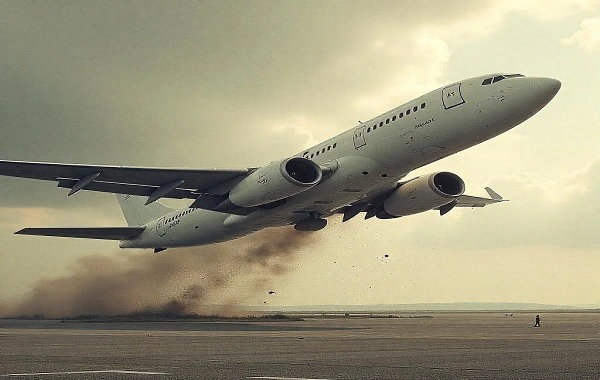
Air India Plane Crash Report: What We Know So Far: A Tragic Day in Indian Aviation
On June 12, 2025, tragedy struck Indian aviation when Air India Flight AI-171, a Boeing 787-8 Dreamliner, crashed just minutes after taking off from Ahmedabad airport en route to London. The devastating accident claimed 241 lives on board and 19 on the ground, leaving only one survivor. In the aftermath, a global outcry followed, prompting an urgent AirIndia Plane Crash Report investigation by the Aircraft Accident Investigation Bureau (AAIB).
Delve into the Ahmadabad plane crash with our detailed timeline, insights into the causes, and the remarkable stories of survivors.
The First AirIndia Plane Crash Report: A Shocking Discovery
On July 11, 2025, the AAIB released its preliminary crash report, revealing disturbing findings. While the exact cause is still under investigation, the report offers key insights that raise new concerns across the aviation industry.
Key Findings from the AirIndia Plane Crash Report
1. No Mechanical or Technical Failures
Contrary to early rumors, the aircraft had no mechanical issues. The engines and airframe were in perfect working condition before takeoff. This rules out typical causes like engine failure, bird strikes, or fuel contamination—common culprits in many aviation accidents.
2. Manual Fuel Cutoff Switches Were Activated
Someone manually shifted both fuel cutoff switches from ‘RUN’ to ‘CUT OFF’ within seconds of takeoff. This human action led to a total loss of thrust, causing the plane to descend rapidly. Investigators confirm that this was not an automated or mechanical malfunction.
3. Alarming Cockpit Voice Recorder (CVR) Exchange
The Cockpit Voice Recorder captured a chilling conversation:
“Why did you shut off the fuel?”
“I didn’t.”
This brief dialogue between the pilots suggests confusion in the cockpit, raising critical questions about whether this was accidental, intentional, or due to some unknown cockpit event.
Implications for Air India and Aviation Worldwide
Restructuring Amid Crisis
This disaster comes at a sensitive time for Air India, recently acquired by the Tata Group and is undergoing major restructuring. The crash has brought cockpit training, safety protocols, and emergency procedures into sharp focus.
Official Response from Air India
Air India CEO Campbell Wilson urged the public and media to avoid premature conclusions. He stressed that the investigation is ongoing and that the report presents only partial findings.
Regulatory Response and Global Aviation Impact
The Directorate General of Civil Aviation (DGCA) has mandated immediate inspections of fuel cutoff switch mechanisms in all Boeing 787s operating in India. Meanwhile, countries like South Korea have followed suit.
Interestingly, the U.S. Federal Aviation Administration (FAA) has not yet issued a global directive, citing a need for further analysis.
Unanswered Questions: What’s Still Unknown?
Despite the preliminary report, many questions remain unanswered:
- Why were the fuel switches turned off?
- Could this be a pilot error, sabotage, or external interference?
- Was there a struggle in the cockpit?
- Could this be a case of pilot suicide?
Pilot unions, including the Indian Commercial Pilots Association (ICPA), have cautioned the media to avoid sensationalism and urged investigators not to assign blame until the final report is published.
What This Means for Boeing
The Boeing 787 Dreamliner is now under scrutiny. Experts are evaluating the manual fuel switches for ergonomic safety and accidental activation risks.
The FAA had previously issued advisories on this matter, but until now, no serious incident had occurred. Regulators could demand a design overhaul from Boeing if they find the switches prone to accidental use.
Next Steps in the Investigation
The AAIB will continue analyzing flight data, crew medical records, and aircraft systems over the next few months. The final crash report is expected by mid-2026, and it may include:
- Regulatory recommendations
- Revisions to cockpit protocols
- Accountability, if determined
Until then, global aviation authorities are watching closely, as are millions of passengers and stakeholders concerned with safety and trust.
Conclusion for AirIndia Plane Crash Report
The Air India plane crash of June 2025 stands as one of the most disturbing tragedies in recent aviation history. While the preliminary report provides some clarity, it also deepens the mystery. As the world awaits the final AAIB report, the primary goal remains: ensuring that such a catastrophe never happens again.
FAQs on AirIndia Plane Crash Report
The preliminary report suggests that both engines lost power due to the manual shutdown of the fuel supply. However, the motive behind this action remains under investigation.
The CVR suggests confusion between the pilots, with one denying any action. It is too early to assign blame. A full investigation is still underway.
No. The plane passed all safety checks and had no mechanical, technical, or structural faults at the time of takeoff.
Air India has started inspecting all aircraft with similar fuel systems and is working closely with regulatory bodies worldwide.
The DGCA has ordered fuel system checks on all Boeing 787s and is collaborating with global aviation regulators for enhanced safety oversight.
The AAIB expects to release the final report by mid-2026, within the standard 12-month post-incident window.
Yes. As of now, no safety warnings have been issued by the FAA or DGCA against the 787. However, additional scrutiny is ongoing.
A