
Mock Drill in India: A Critical Pillar of Disaster Preparedness
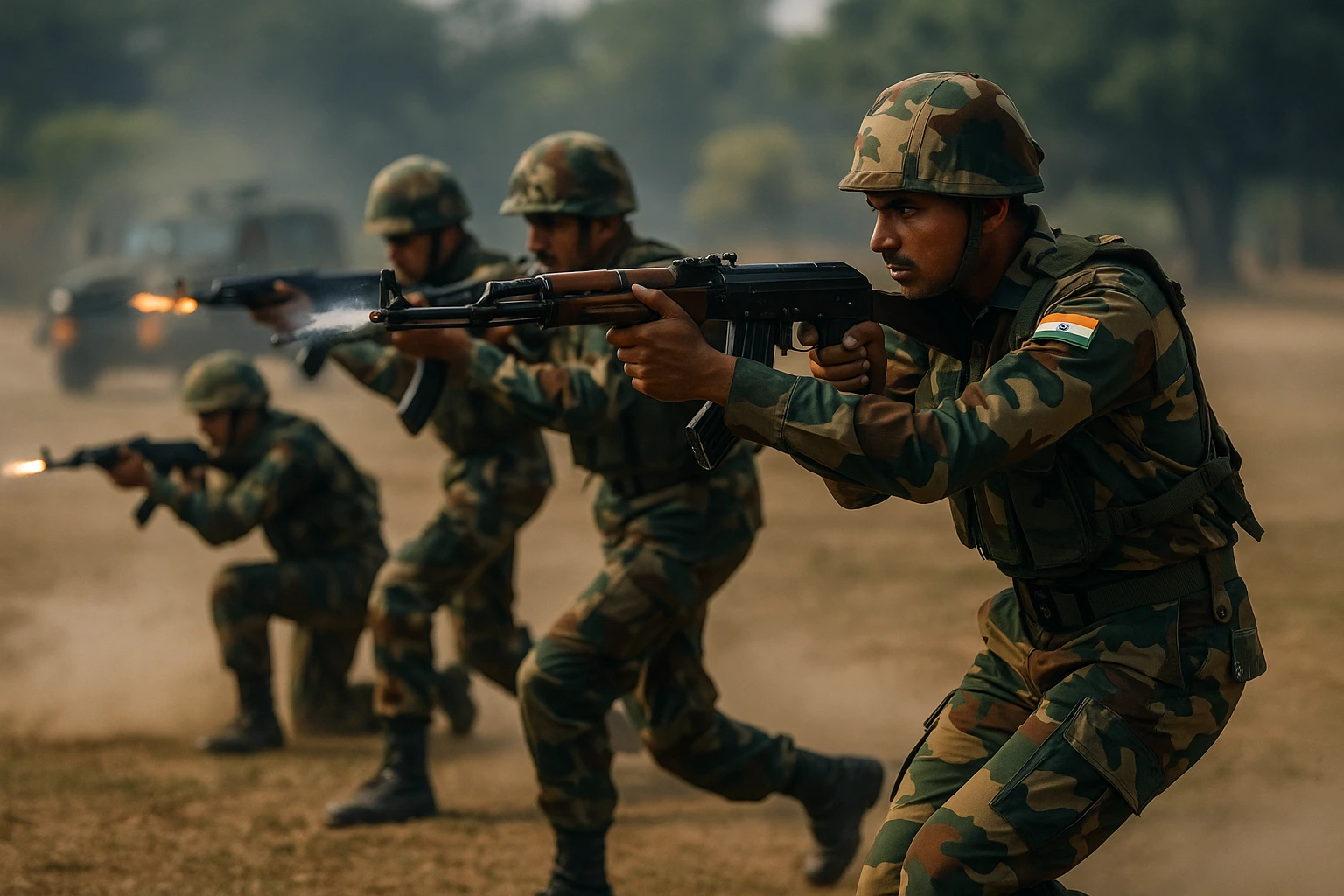
India’s vast geographical expanse and dense population make it highly vulnerable to both natural and man-made disasters. From devastating Himalayan earthquakes to industrial fires in metropolitan areas, emergencies can strike without warning. Therefore, Mock Drill in India have emerged as an essential strategy to enhance disaster preparedness and minimize damage.
What is a Mock Drill?
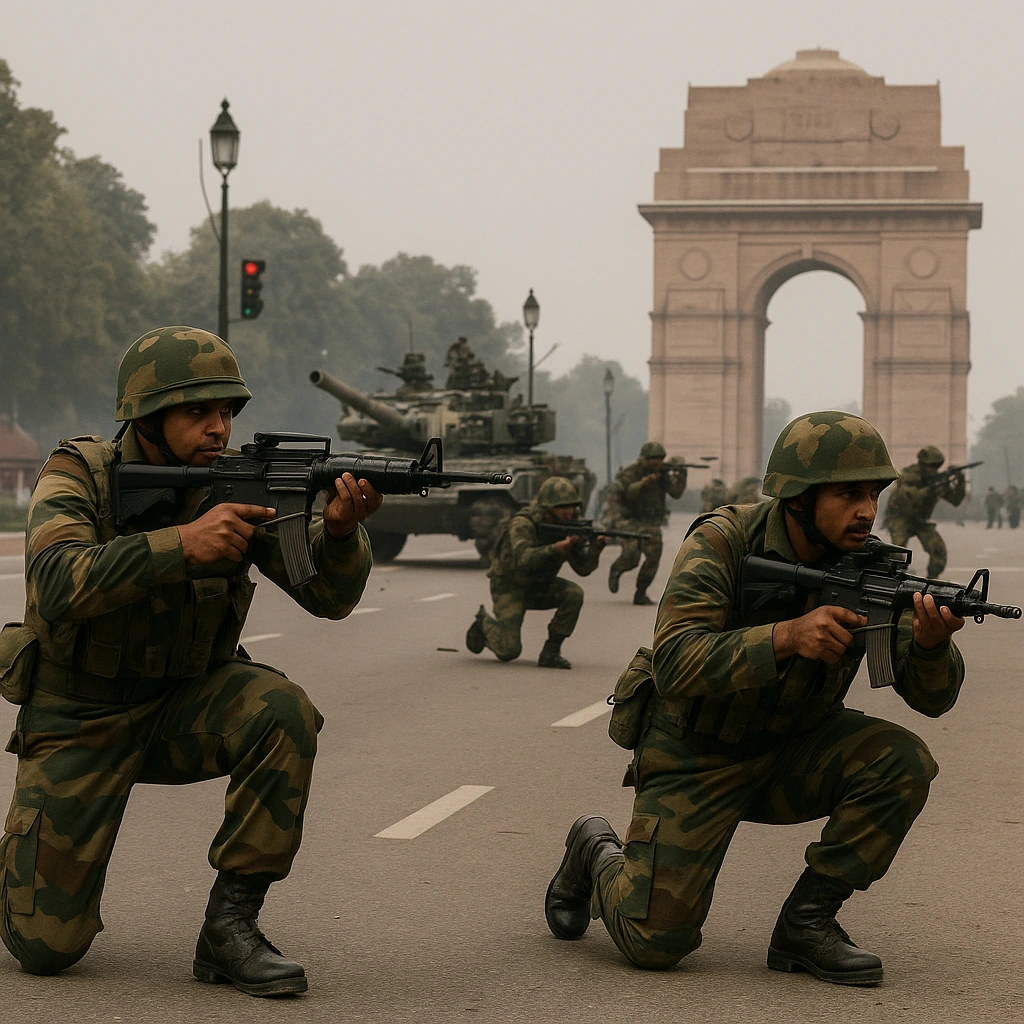
A mock drill is a planned, structured simulation of an emergency scenario. The objective is to train individuals and organizations to respond quickly and efficiently during real-life crises, such as earthquakes, fires, chemical spills, or terrorist attacks.
Key objectives of mock drills include:
- Testing existing emergency response systems
- Training individuals in evacuation and safety procedures
- Improving coordination and communication
- Identifying gaps in crisis preparedness
Why Mock Drills Are Vital in India
India’s unique environmental, urban, and industrial settings demand a high level of disaster resilience. In this context, mock drills offer several vital benefits:
1. Reduce Panic and Response Time
By rehearsing possible disaster scenarios, individuals are better prepared, which helps minimize panic and saves lives during actual emergencies.
2. Test Safety Infrastructure
Drills ensure that equipment like fire alarms, extinguishers, first-aid kits, and emergency exits are functional and accessible.
3. Ensure Legal Compliance
Laws such as the Disaster Management Act, 2005, and the Factories Act, 1948, require periodic safety drills in workplaces and public spaces.
4. Raise Awareness
Mock drills increase public understanding of emergency protocols, fostering a culture of safety in schools, offices, and homes.
5. Boost Confidence
Repetitive training builds confidence among emergency teams and civilians, making them more effective during crises.
Common Types of Mock Drills in India
Depending on the potential risk, different sectors across India conduct specialized mock drills:
Fire Safety Drills
Conducted in offices, schools, and hospitals to simulate fire breakouts, evacuations, and fire-fighting methods.
Earthquake Drills
Used in seismic zones to teach “Drop, Cover, and Hold” techniques and evacuation practices.
Flood Evacuation Drills
States like Assam and Kerala practice safe relocation methods and rescue missions using boats or rafts during floods.
Industrial Accident Drills
Factories conduct these drills to simulate chemical leaks, gas explosions, or machinery failure, followed by medical responses.
Medical Emergency Drills
Simulations of heart attacks, building collapses, or pandemics assess emergency healthcare preparedness.
Terrorist Attack/Hostage Drills
Often conducted in malls, airports, and metros, these drills simulate gunfire, bomb threats, and hostage situations.
Step-by-Step Procedure of Conducting a Mock Drill in India
1. Planning
- Identify the goal of the drill
- Select a relevant emergency scenario
- Assign responsibilities to a planning team
2. Preparation
- Train participants on emergency responses
- Notify local authorities, like police and fire departments
- Arrange emergency and communication equipment
3. Implementation
- Simulate the emergency and activate alarms
- Guide participants to safe zones
- Conduct rescue and first-aid operations
4. Evaluation and Debrief
- Record response time and participant behavior
- Identify weaknesses in the process
- Collect feedback and revise safety protocols
Legal Framework and Regulations for Mock Drills in India
Several laws and government agencies mandate mock drills across the public and private sectors:
Disaster Management Act, 2005
Mandates central and state authorities to conduct periodic mock drills and disaster management exercises.
Factories Act, 1948
Requires factories, especially those handling hazardous materials, to organize safety training and mock drills.
State Fire Safety Rules
Each state enforces its fire safety laws, mandating fire drills in high-rise buildings, hospitals, and educational institutions.
National Disaster Management Authority (NDMA)
Guides various institutions—schools, colleges, and industries—to conduct frequent drills for fire, earthquake, flood, and biological threats.
Real-Life Examples of Mock Drills in India
Several successful mock drills across India have highlighted their real-world importance:
- Delhi Metro Rail Corporation (DMRC) conducts regular emergency evacuation exercises for commuter safety.
- Mumbai Airport conducts large-scale mock drills simulating fire and bomb threats with help from CISF and emergency teams.
- Himachal Pradesh and Uttarakhand organize earthquake and fire drills during School Safety Week.
- ONGC and other oil companies simulate chemical spills and explosions as part of their industrial safety programs.
Get latest updates on You Season 5 Release date in India, along with an in-depth look at the plot and cast.
Conclusion: Preparedness is Protection during Mock Drill in India
To sum up, mock drills in India are not just training exercises—they are life-saving rehearsals. In a nation exposed to frequent disasters, regular drills can mean the difference between chaos and coordinated safety. Whether in a school, airport, or industrial plant, mock drills ensure readiness, test systems, and strengthen collective response.
Investing time in well-planned mock drills today can save lives and resources tomorrow.
Learn about Jagdeep Dhankhar, the 14th Vice President of India. Dive into his biography, career highlights.
Frequently Asked Questions about Mock Drill in India
Yes. Various laws, including the Disaster Management Act and the Factories Act, make mock drills mandatory in different sectors.
Risk-prone industries should conduct drills quarterly, while schools and offices should hold them at least once or twice a year.
Safety officers or disaster management coordinators usually lead the drills, in coordination with local police, ambulance, and fire services.
If well-organized and properly briefed in advance, mock drills reduce confusion instead of causing panic.
A detailed debriefing session, performance review, and improvement plan must follow every mock drill to make future drills more effective.